

Mike Milkowski is a Vienna-based Art Director and Visual Artist. He operates at the intersection of illustration, graphic design, and animation. After 13 years in the industry, he has worked across virtually every format and medium available.
Curiosity sparked a natural journey towards generative AI. Leveraging deep design foundations, he uses bespoke workflows that bypass simple prompting. The result is a controlled fusion of traditional craft and synthetic output.
Mike Milkowski is a Vienna-based Art Director and Visual Artist. He operates at the intersection of illustration, branding, and animation. After 13 years
in the industry, he has worked across virtually every format and medium available.
Curiosity sparked a journey towards generative AI. Leveraging deep design foundations, he uses bespoke workflows that bypass simple prompting. The result is a controlled fusion of traditional craft and synthetic output.
‘RS - Skin Care’
Social Media Campaign
Unreleased
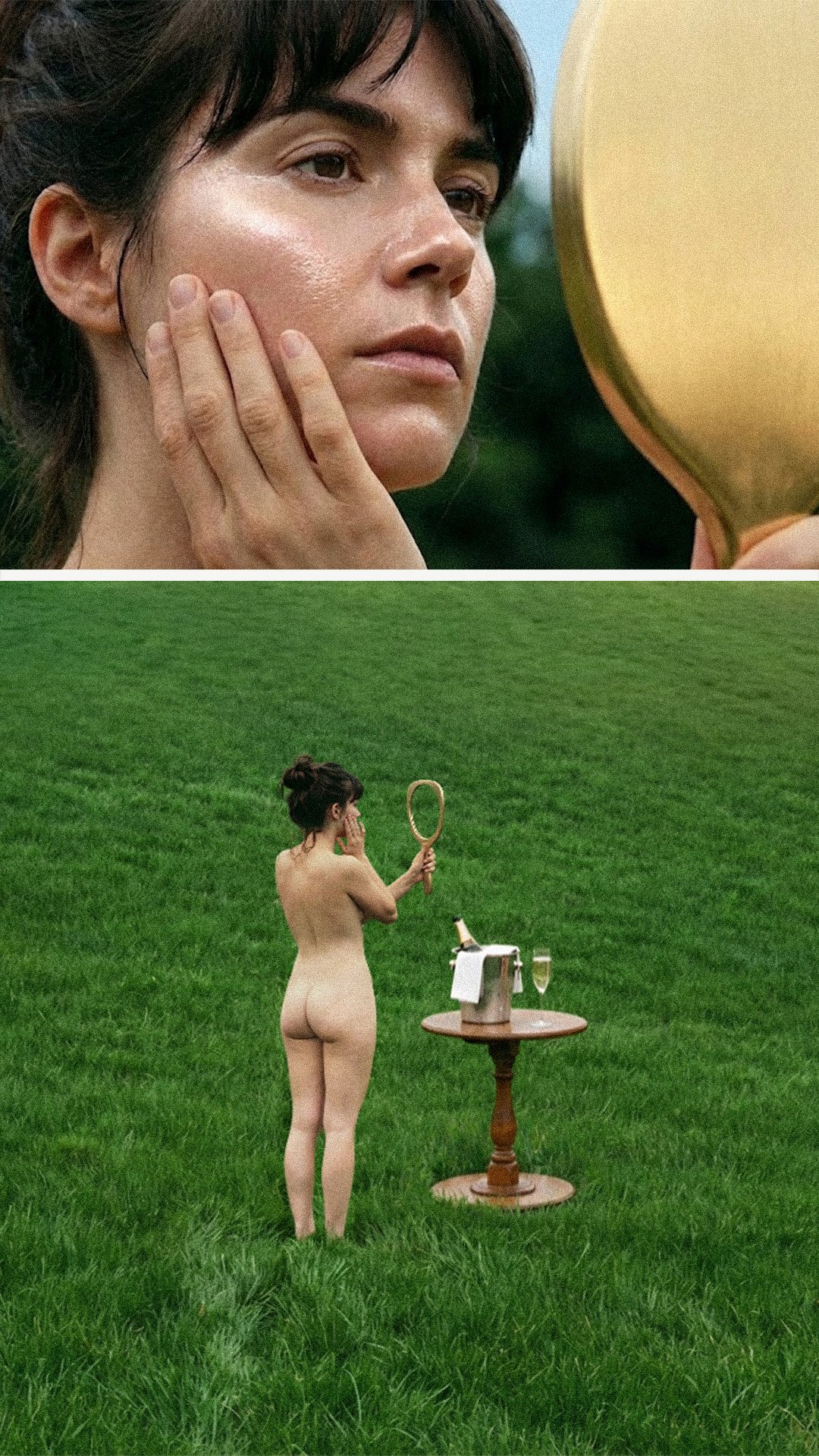
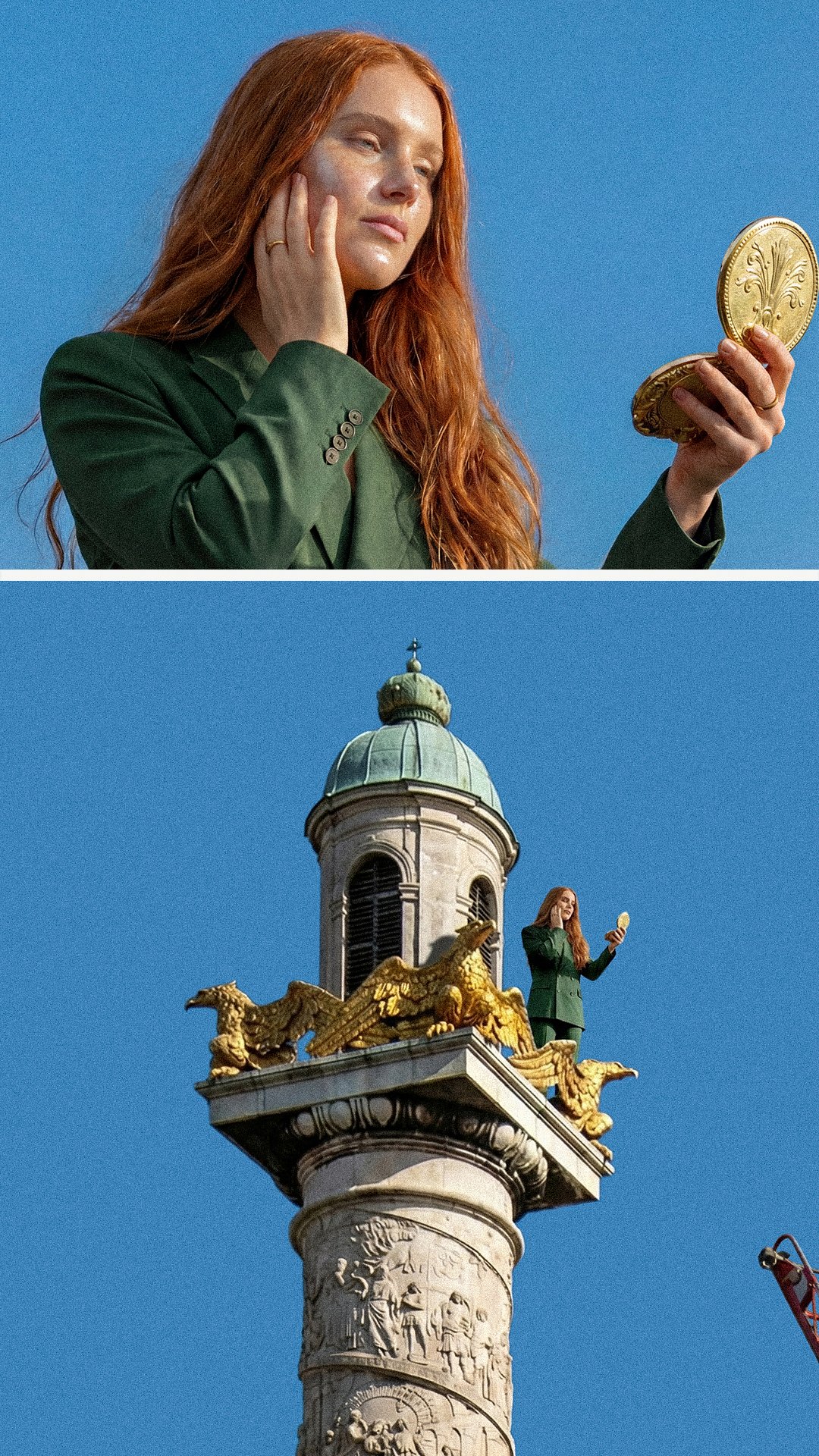
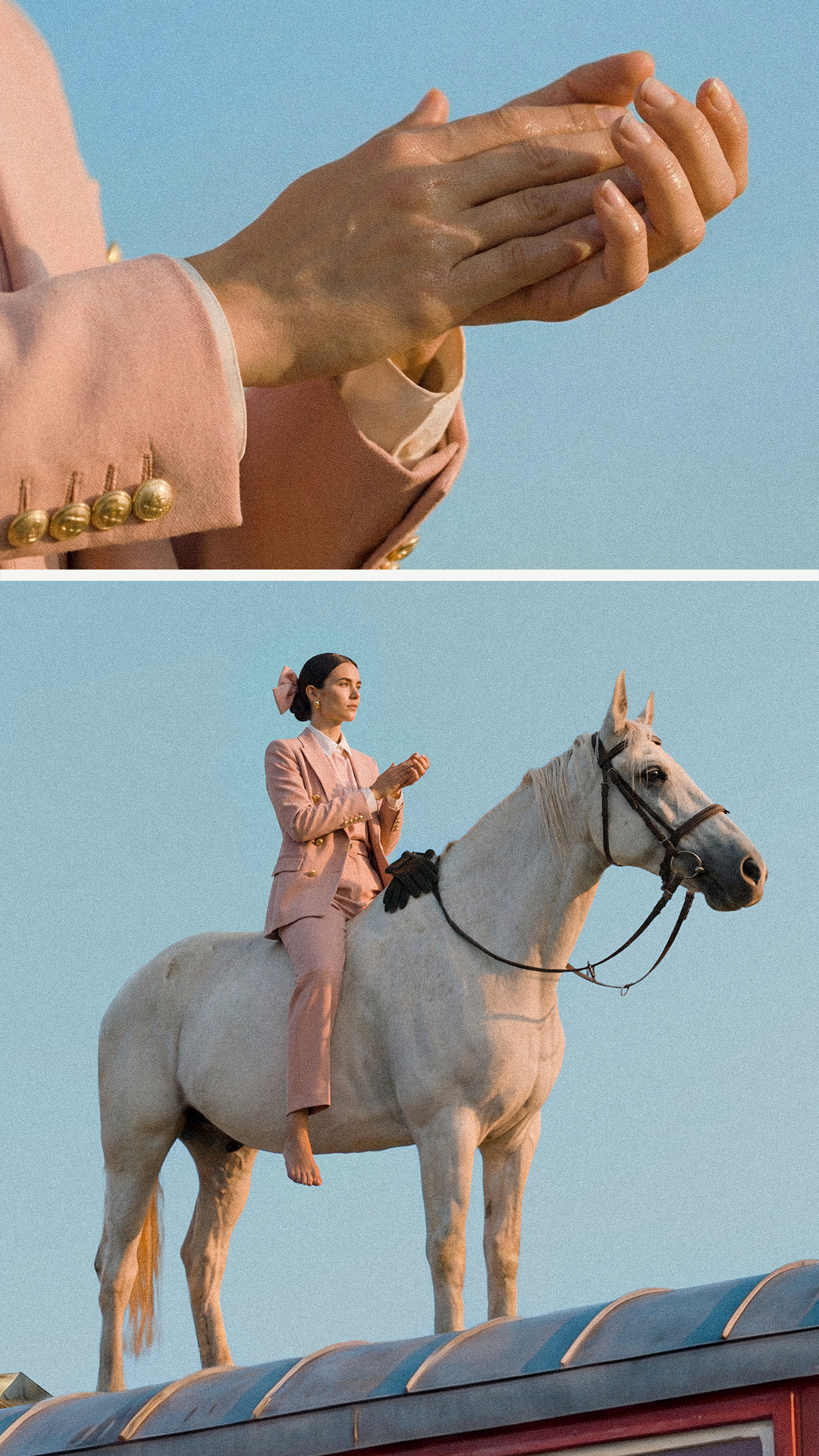
Super-short vignettes centering on female confidence, anchored in the brand’s specific geographic heritage. To bypass resolution limits and landmark hallucinations, the workflow shifted to a hybrid build. Scenes were constructed via sketch-based compositing and photographic references to ensure absolute control.
‘Tired & Sick’
Music Video
Proof of Concept
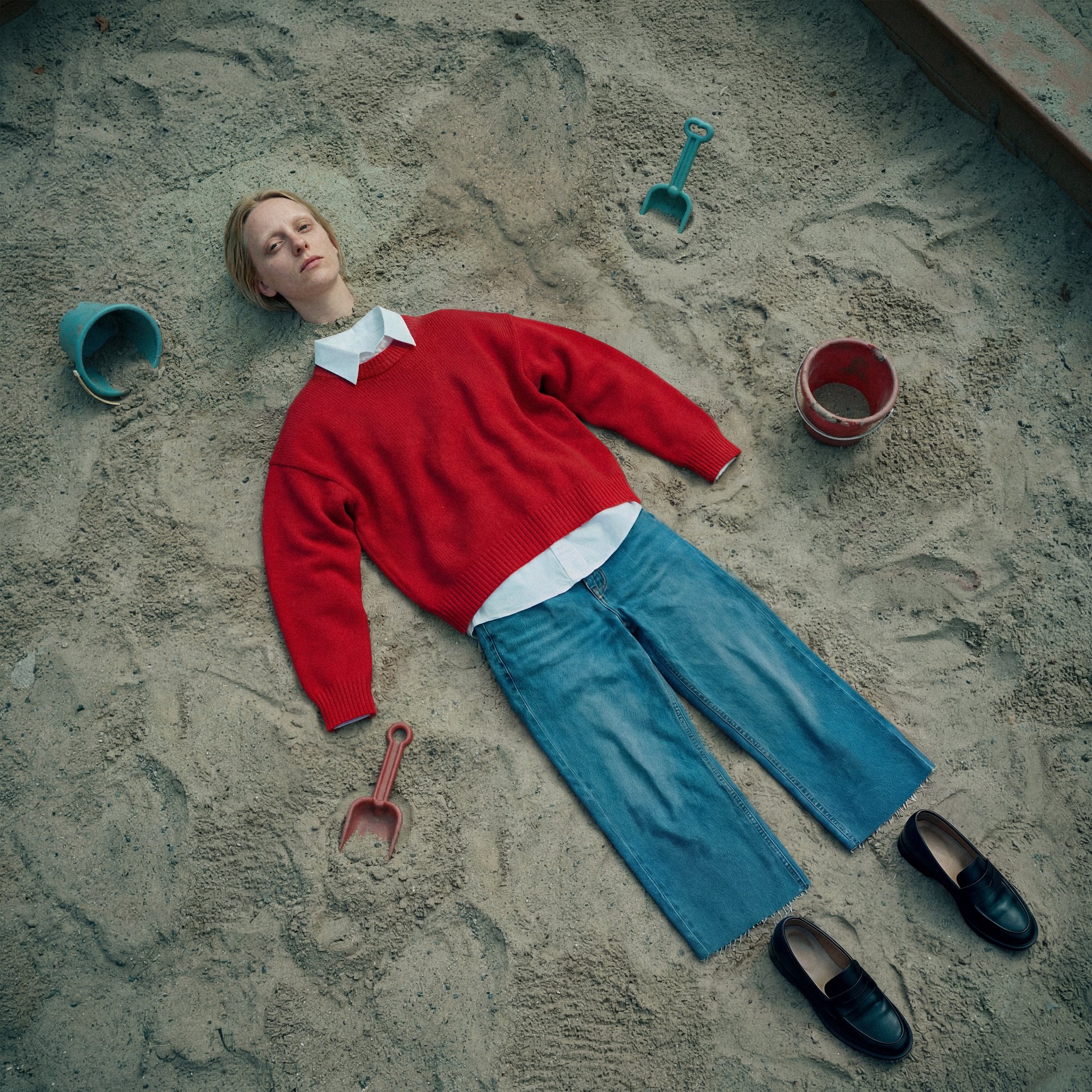
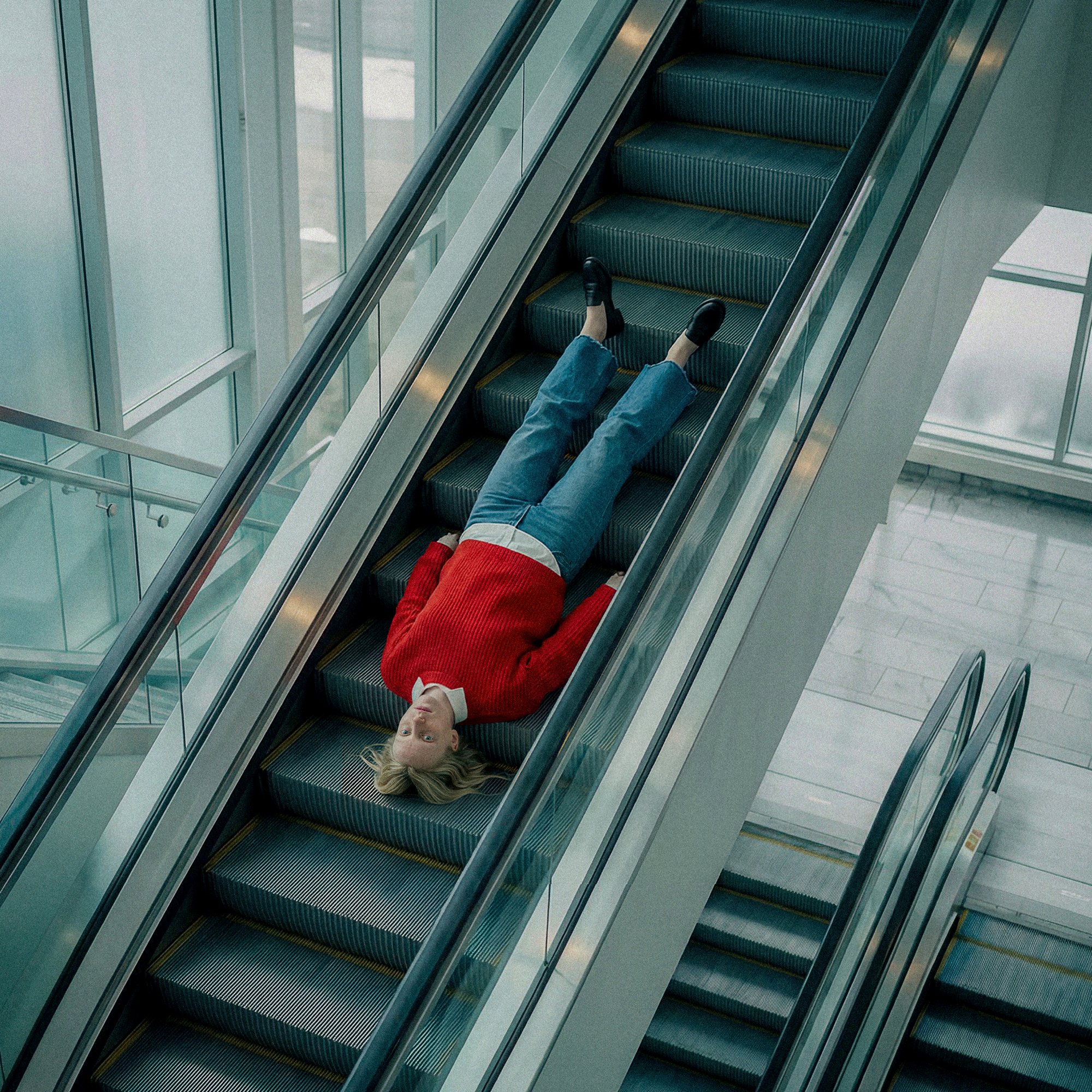
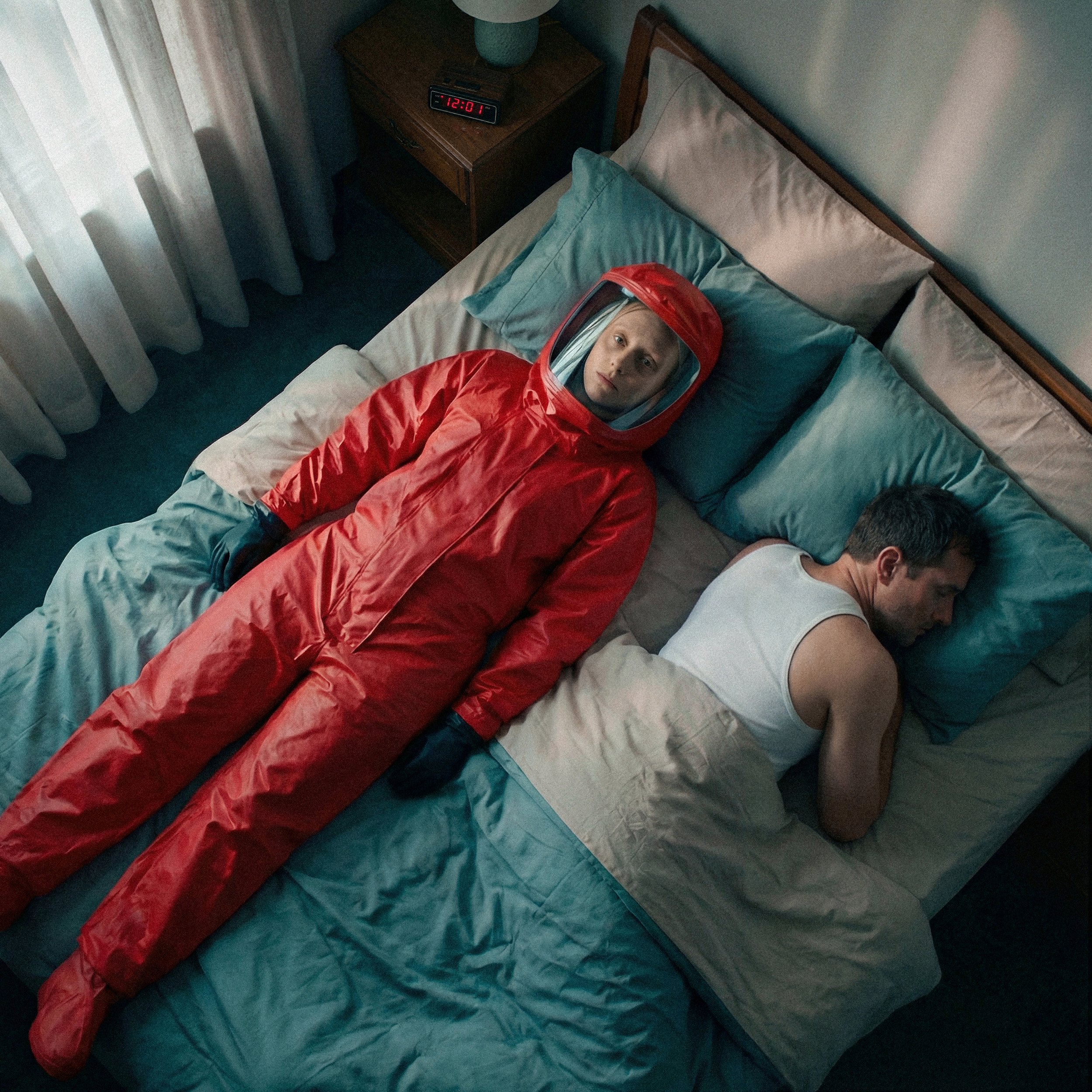
A study in directional control. Rather than relying on a single prompt, scenes were composited from multiple generations to lock in specific poses, motion and framing. Audio sparked a shift from static to motion—transforming these rigid, photographic compositions into a short musical vignette.
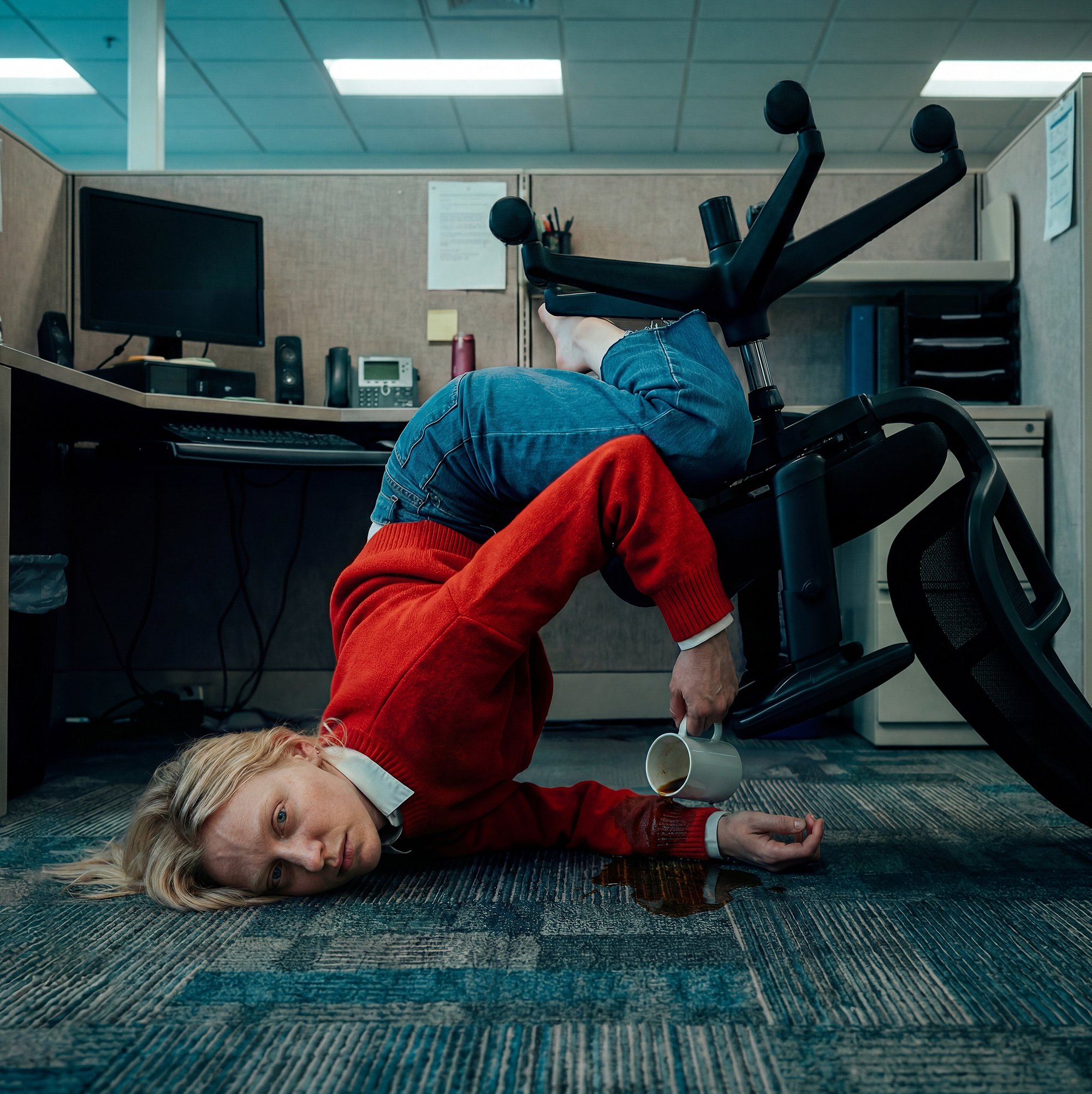
Defining the narrative with pen and paper always comes first. Rapidly scribbling down ideas and framing to lock in the aesthetic foundation and humor before diving into the digital process.

‘Never Happened’ (無かった)
Micro-Short
Proof of Concept
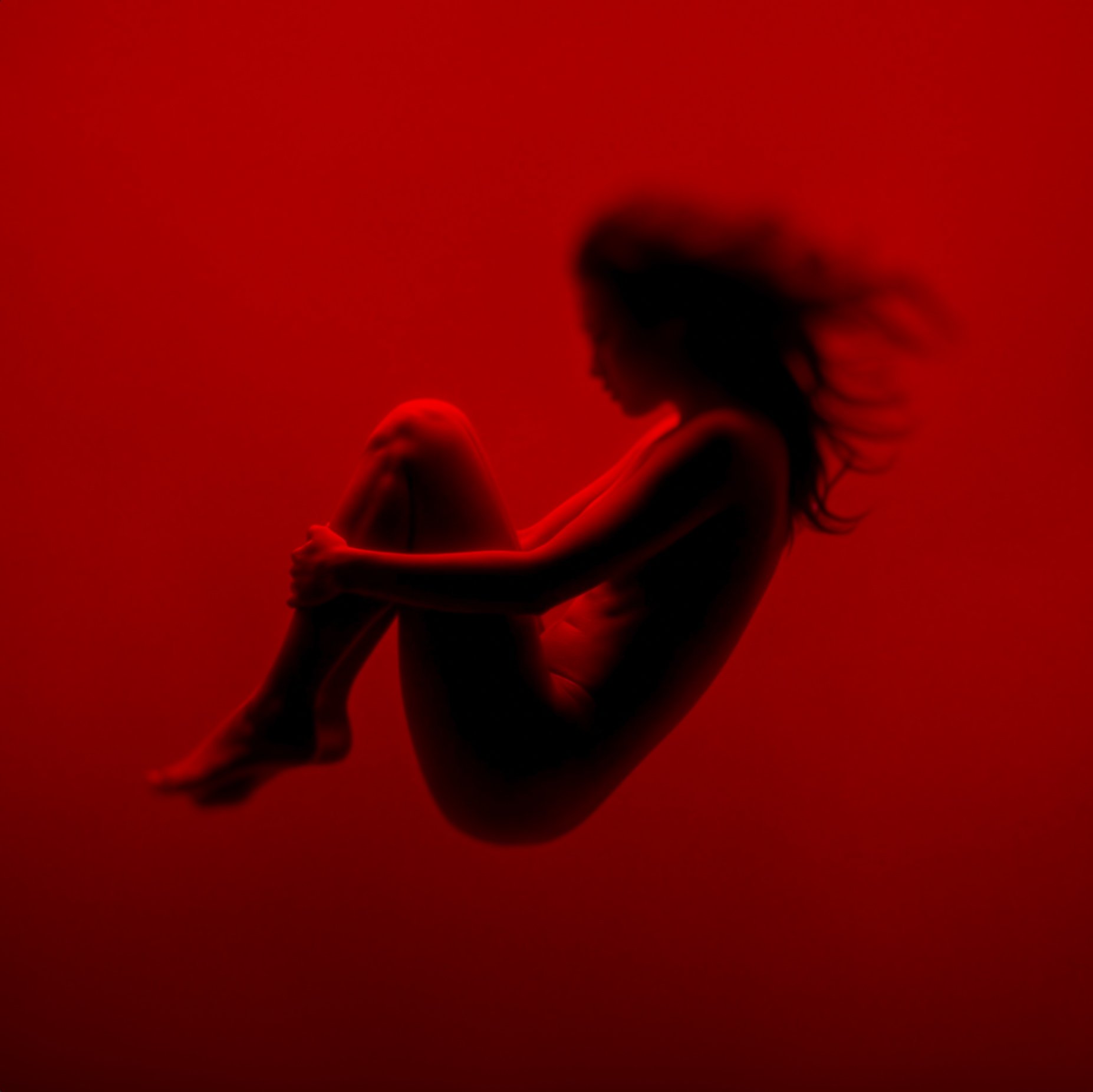
Playing with the duality of a comforting daydream, rendered in a synthetic medium. This proof of concept explores limitations in abstraction, liquid simulation and nudity. Where the AI generation fell short, traditional compositing and post-FX took over to realize the desired outcome.
‘Sunday in Vienna’
AI x Reality
Proof of Concept
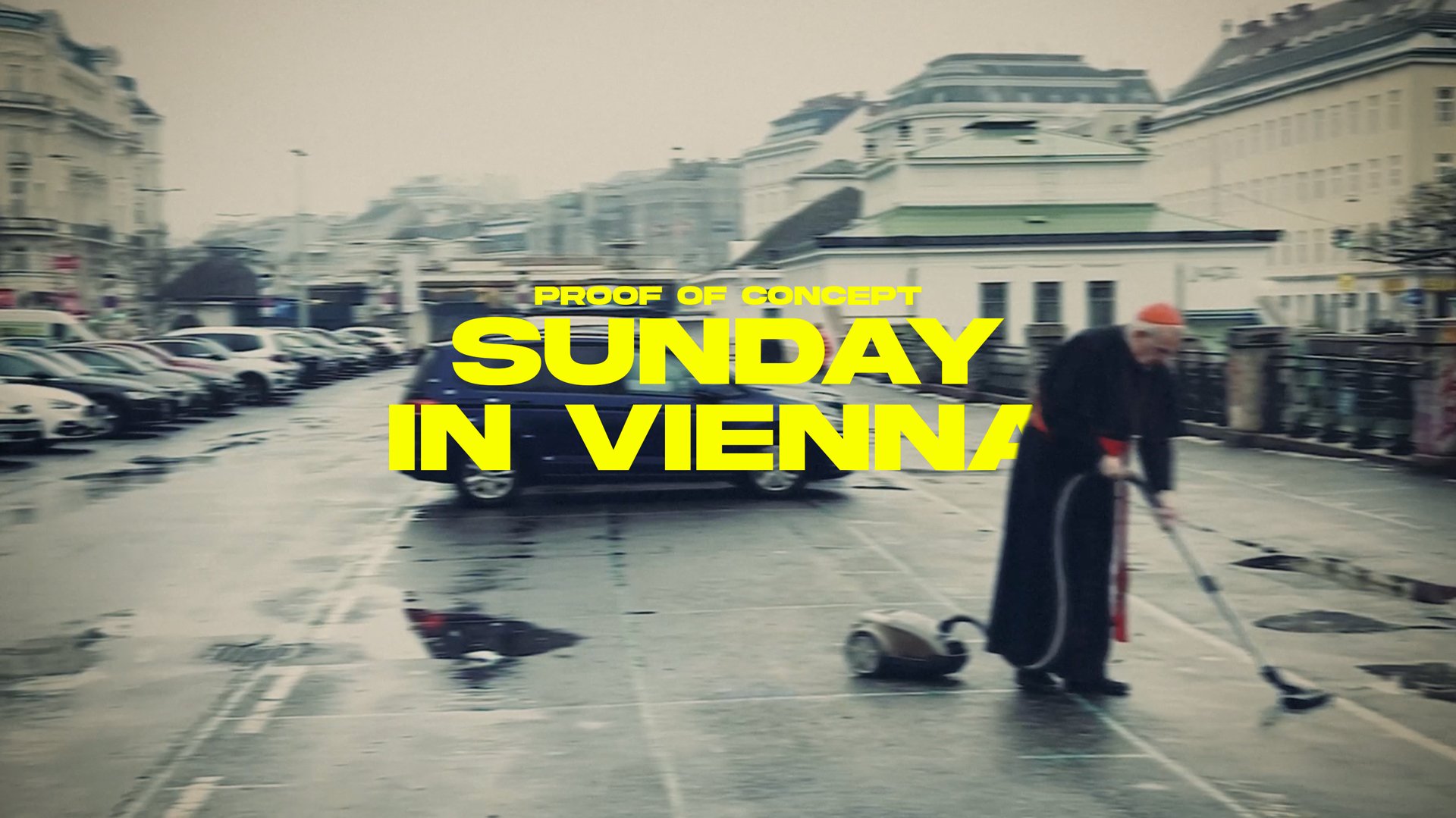
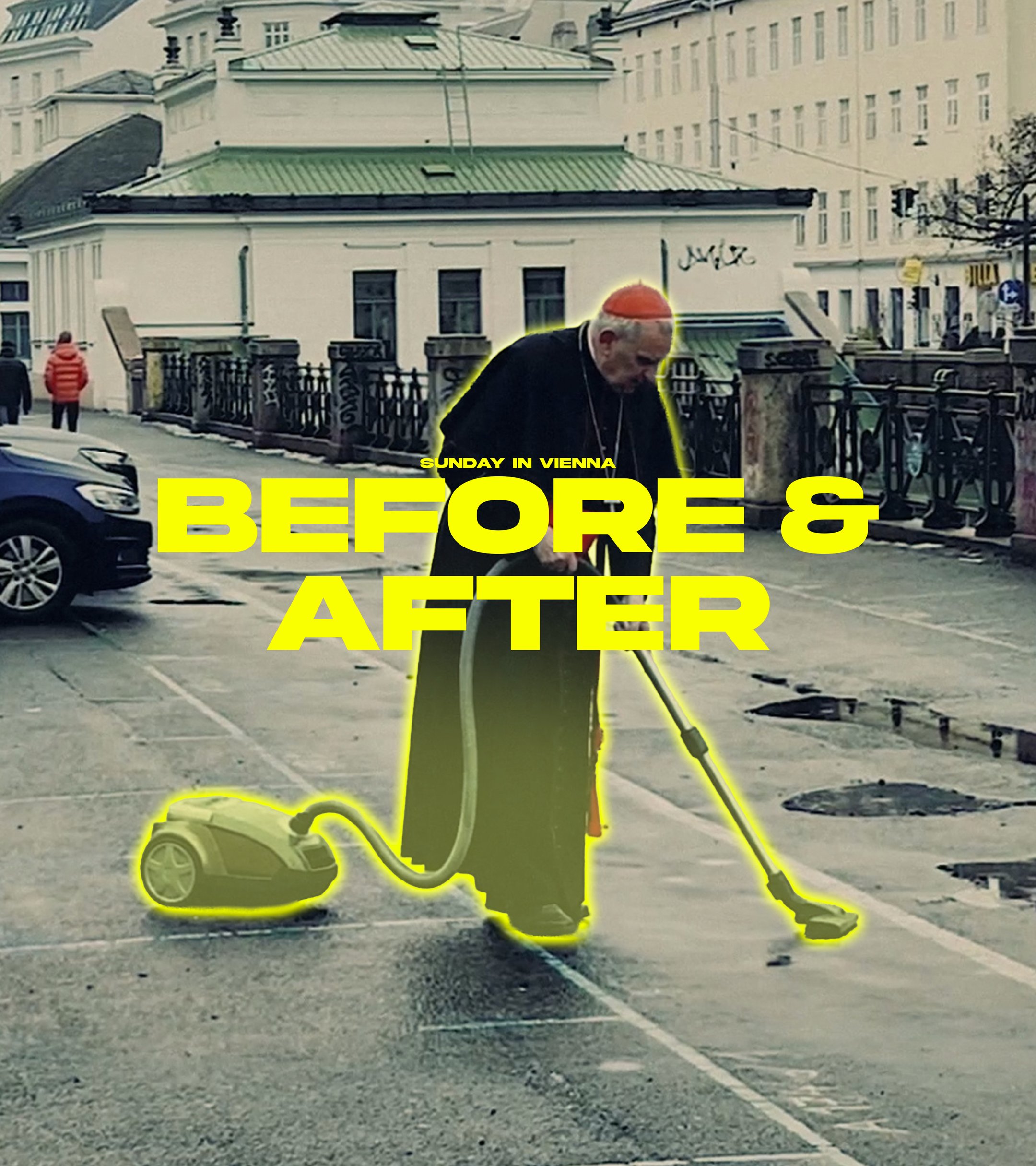
Raw iPhone footage serves as the anchor. Extending reality by tracking and compositing synthetic subjects into the handheld plate. A technical stress-test for realism and integration, applied to deliberately absurd scenarios.
The before & after serves as a necessary reference point: Clarifying exactly which elements are generated, for moments when it becomes difficult to distinguish the synthetic from the real. (Confirming that the Loch Ness Monster was, in fact, not transported by helicopter.)
‘The Art Of’
Print-ready High-Res Campaign
Proof of Concept
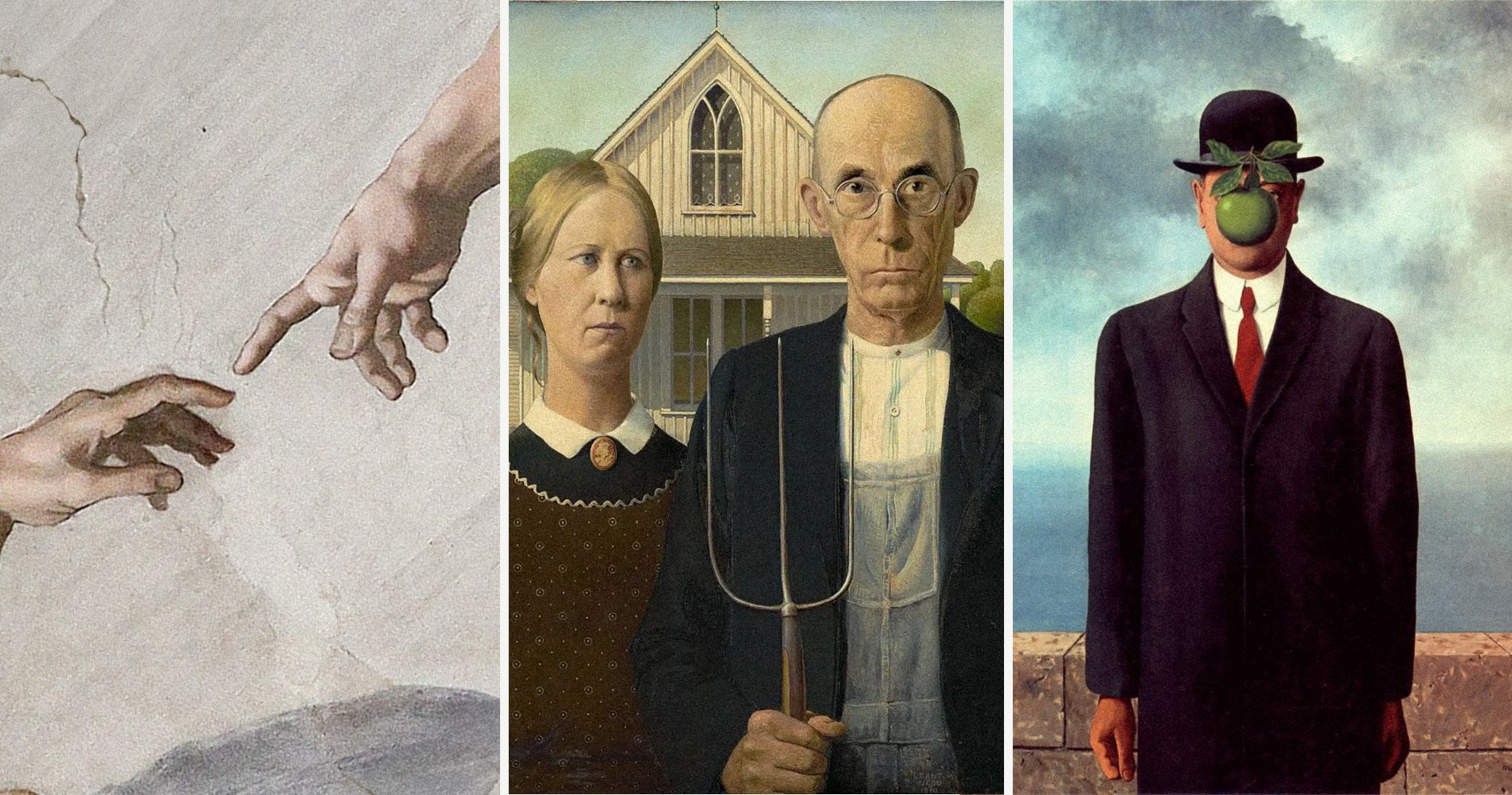
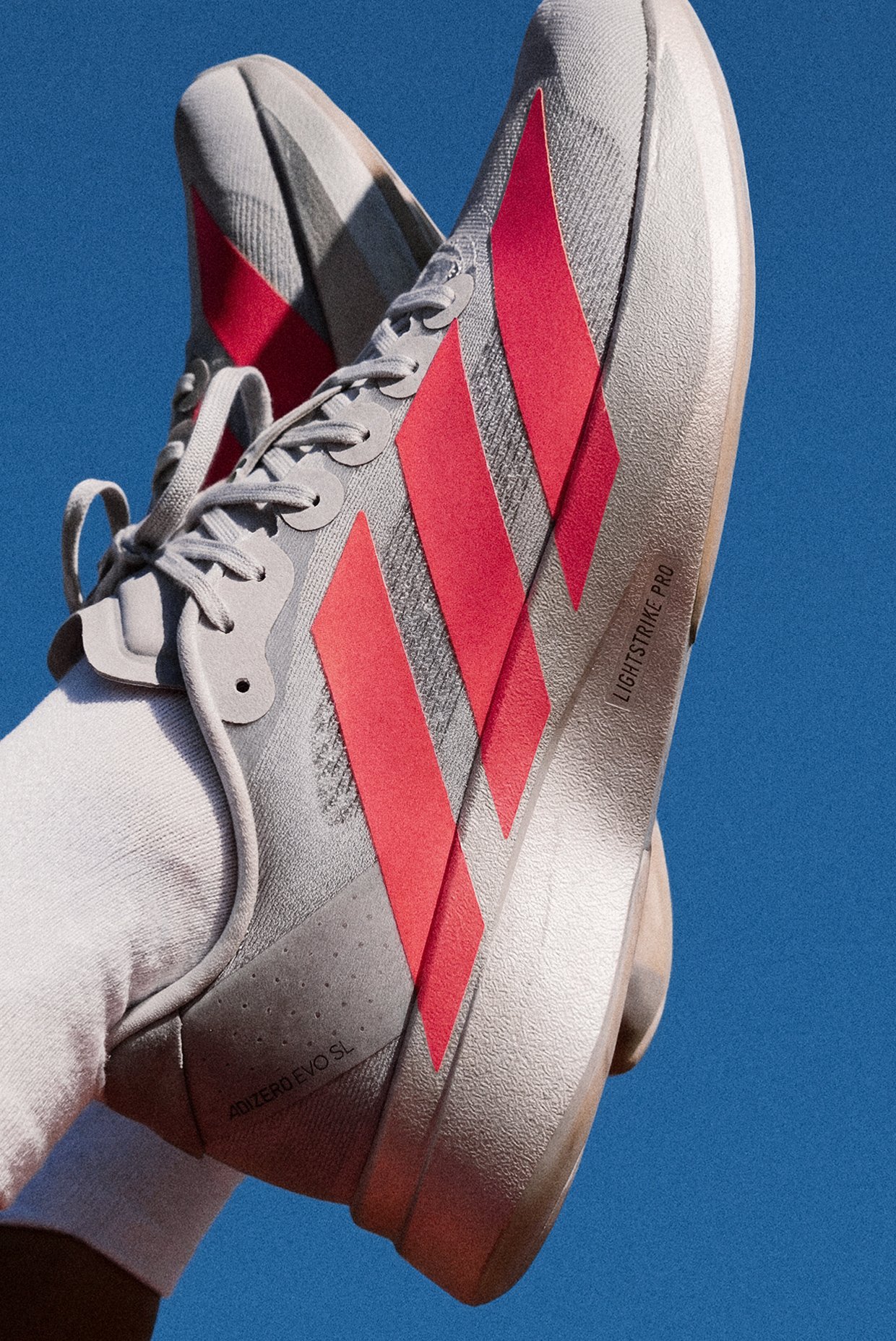
Recontextualizing classical composition for a modern sports narrative. Three iconic paintings served as structural anchors, enforcing strict framing and visual logic. The critical test: achieving product accuracy and sufficient resolution for high-end, large-scale print.
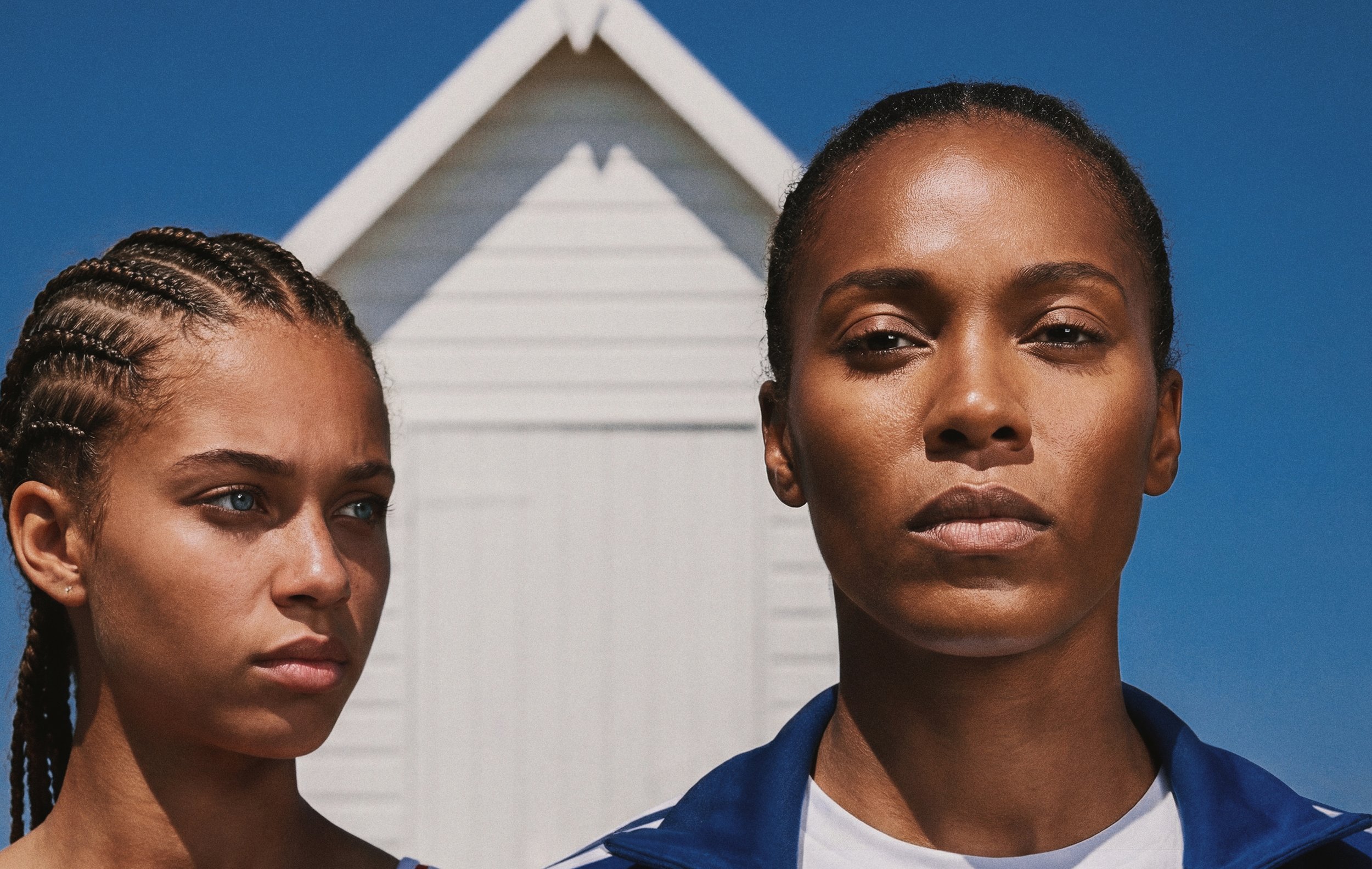
Beyond composition, the aim was to retain high-resolution organic skin texture while ensuring the sportswear remained technically accurate.
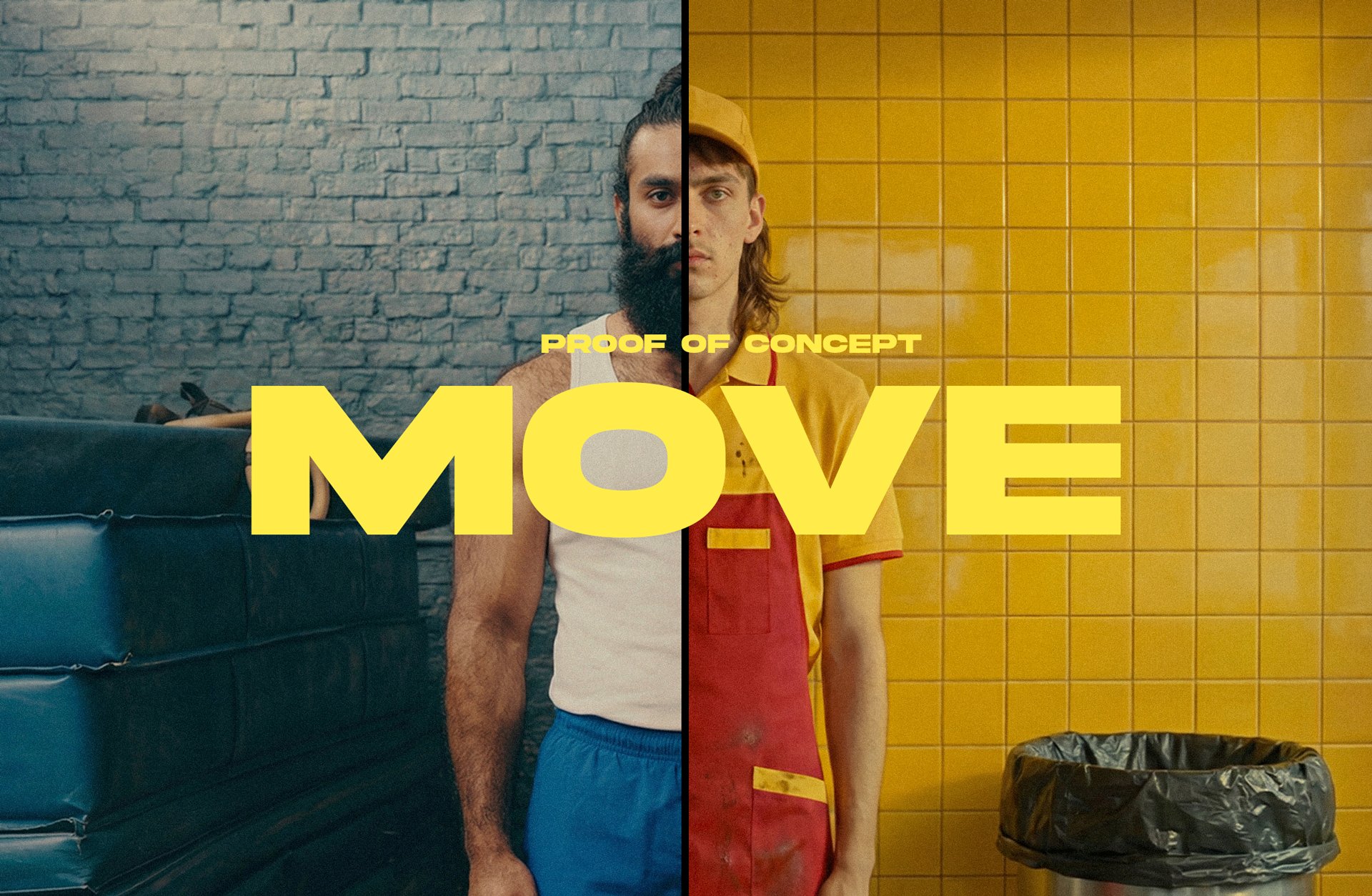
‘Move’
Proof of Concept for
motion control capabilities
From small movements to a more exaggerated choreography. A motion control study utilizing my own "interpretive" dance skills as the control signal. The experiment focused on retargeting this input to subjects of vastly different scales and anatomy to check for potential distortion.
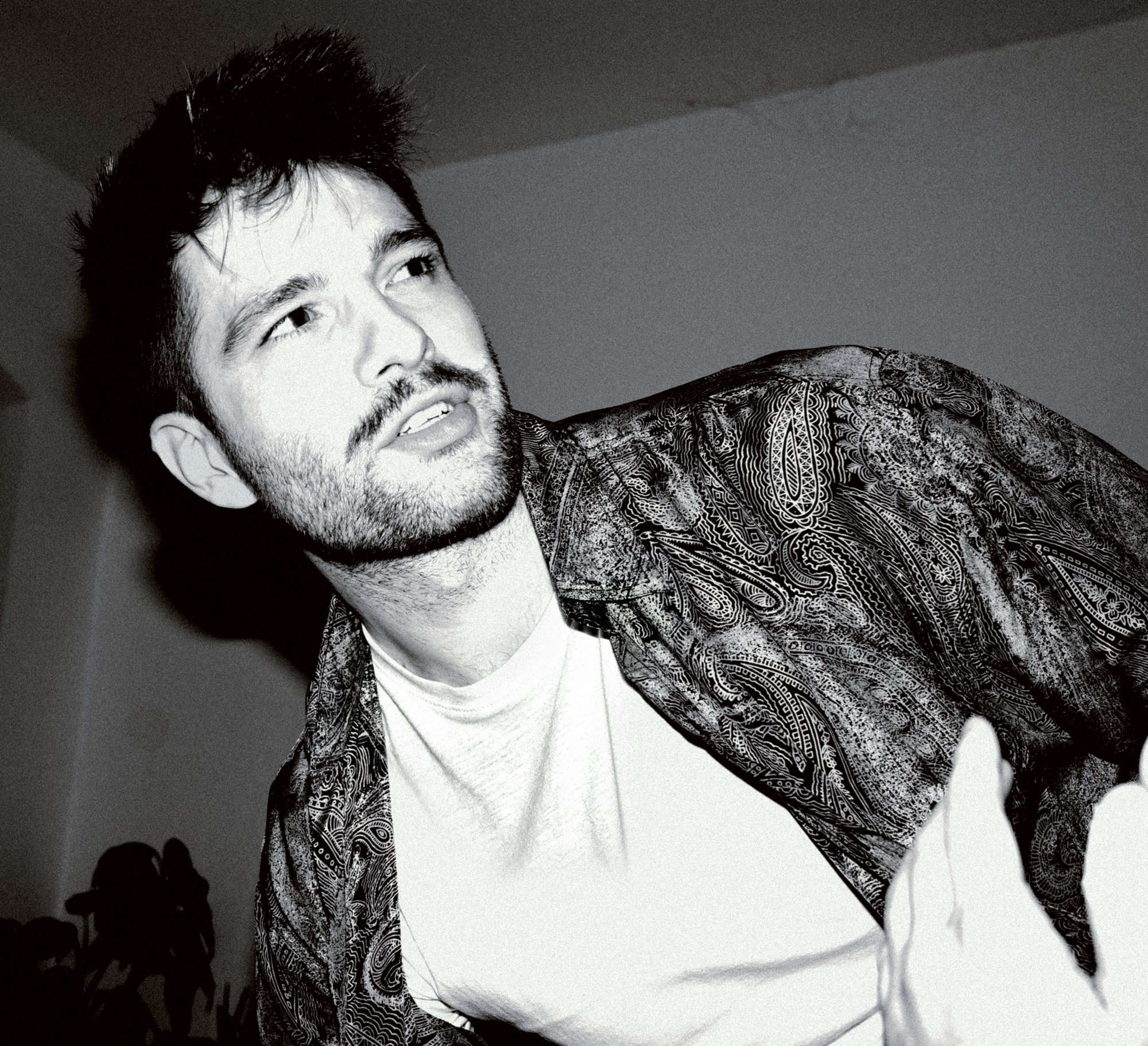
motivation My entry into AI began as a defensive move. A fear of becoming irrelevant in a shifting landscape. I still carry deep concerns about where this leads, specifically if the technology will eventually render human vision obsolete. But ignoring it isn't an answer. For now, the only strategy is to stay curious.
application Nothing beats the texture of real film and photography. But AI can provide a unique space to ask "what if?" I want to use it to prototype and expand on ideas that demand more scale than the moment permits. Turning logistical barriers into creative experiments. A way to extend the scope of reality, even when the practicalities say “no”.
intent Using AI as a lottery might produce great images, but it leaves me feeling detached. To really care about the work, I need to know I steered it. My process is heavy on control because that’s the only way I can justify putting my name next to it. If I can’t trace the result back to my own specific intent, I can’t claim it.